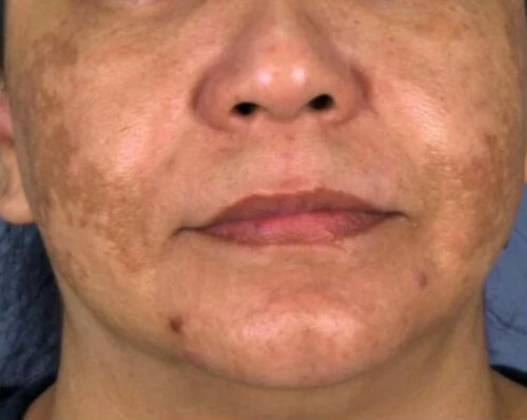
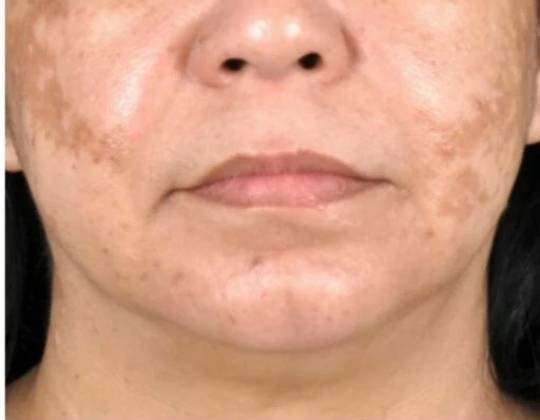
Pigmentation, also known as hyperpigmentation, is a condition characterized by darkened patches, varying in size, on the skin.
Your skin tone is determined by pigment-producing cells called melanocytes, which produce melanin to give your skin its color. When melanocytes become overactive, they produce excessive melanin in certain areas, leading to the formation of small and large darkened patches.
Uneven skin tone can be caused by various factors:
Sun exposure: Repeated exposure to UV light can lead to sun damage. Brown spots and uneven skin tone develop as a result of excessive melanin production, which is the skin’s way of protecting itself from UV light.
Pollution: Particles and gases from traffic-related air pollution can penetrate the skin, leading to the formation of brown spots, especially on the face.
Hormones: Melasma is a hormone-related hyperpigmentation condition caused by increased hormone stimulation. It is commonly experienced by pregnant women (referred to as the “mask of pregnancy”) or those taking contraceptives. Hormonal changes can also be triggered by cosmetics or medications.
Post-Inflammatory Hyperpigmentation: Darkening of the skin occurs as a result of scarring, which can be caused by acne lesions or skin injuries.
Skin Trauma: Injuries, acne, or burns can result in post-inflammatory hyperpigmentation.
Aging: As skin ages, it becomes more prone to sunspots and uneven skin tone.
Genetics: Some pigmentation conditions, like albinism or vitiligo, are inherited.
Understanding these factors can help in addressing and managing uneven skin tone effectively.
While pigmentation skin conditions are generally harmless, they may sometimes be indicative of an underlying medical issue.
Melasma
Melasma is a prevalent skin condition characterized by dark, irregular, and well-demarcated skin discoloration commonly found on the upper cheeks, nose, lips, and forehead. While it can affect individuals of any gender, it is more commonly observed among females. When melasma occurs during or after pregnancy, it is often referred to as “chloasma.”
The condition typically does not cause any other symptoms beyond cosmetic discoloration. It is believed to result from the stimulation of melanin-producing cells, known as melanocytes, by various hormones, especially estrogen and progesterone.
Freckles
Freckles are the most common type of pigmentation characterized by small, multiple brownish spots typically observed on fairer complexions. They are caused by sun exposure and may diminish in number during less sunny seasons.
General recommendations for managing skin pigmentation include the use of good sunscreen to protect the skin from harmful UV rays. At Medical Zone, we take an additional step by examining the underlying cause of the pigmentation and providing each individual with a personalized treatment plan.