- +94 74 372 6667
- medicalzonekesbewa@gmail.com
- Medical Zone, Horana Road, Kesbewa, Piliyandala.
- Radiofrequency (RF)
- Chemical peels
- Pico Laser therapy
- Hair Transplantation
- Low-level laser therapy (LLLT)
- CO2 Laser therapy
- Carbon peeling
- Permanent Body Hair Reduction
- Laser Tattoo Removal
- Dermal fillers
- Botulinum Toxin (Botox)
- Cryolipolysis (CoolSculpting)
- Ultrasound (Cavitation)
- Lipolysis injection
- MZ-EMSCULPT NEO
- Electrocauterization
- Laser Skin Resurfacing
- Micro Needling
- Mesotherapy
- Microdermabrasion
- Platelet-Rich Plasma (PRP) Â & GFC Â Therapy
Laser Skin Resurfacing
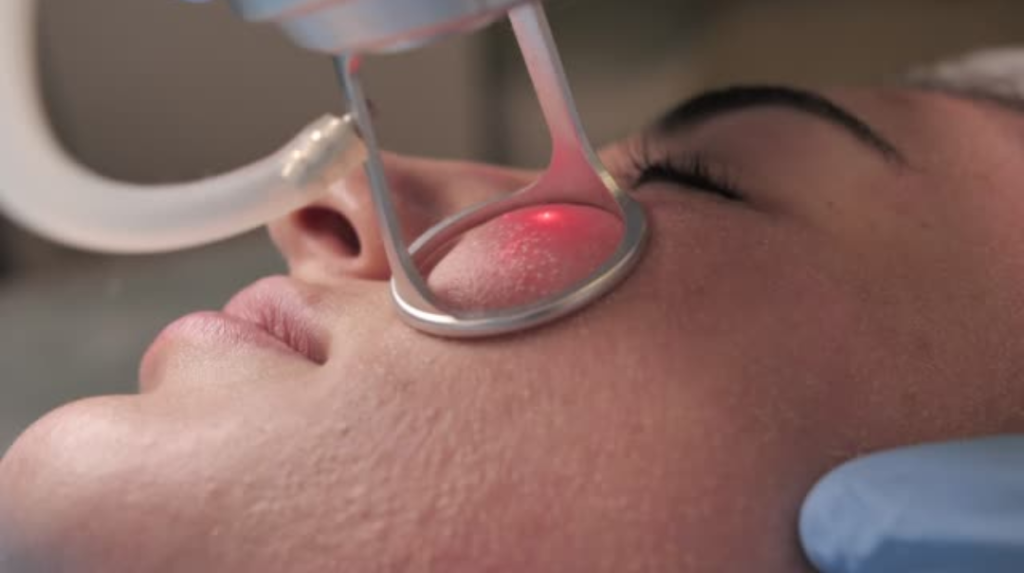
Laser skin resurfacing is a cosmetic procedure that uses laser technology to improve the texture and appearance of the skin. It is effective for treating various skin concerns, including wrinkles, fine lines, sun damage, uneven skin tone, scars, and enlarged pores.
How It Works:
- Types of Lasers:
- Ablative Lasers: These lasers remove the outer layer of the skin (epidermis) and heat the underlying skin (dermis) to stimulate collagen production. Common examples include CO2 lasers and Erbium lasers.
- Non-Ablative Lasers: These lasers penetrate the skin without removing the surface layer, stimulating collagen growth and tightening the skin. Examples include Nd
and pulsed dye lasers.
- Procedure:
- The area to be treated is cleansed, and a topical anesthetic is often applied to minimize discomfort.
- The laser is then applied to the targeted areas, delivering controlled pulses of light to the skin.
- The procedure typically lasts from 30 minutes to two hours, depending on the size of the treatment area.
Benefits:
- Improves Skin Texture: Smooths out rough patches and reduces the appearance of scars and wrinkles.
- Reduces Fine Lines and Wrinkles: Stimulates collagen production for firmer, younger-looking skin.
- Treats Hyperpigmentation: Helps to even out skin tone and reduce dark spots.
- Minimally Invasive: Generally less invasive than traditional surgical options, with quicker recovery times.
Recovery:
- Post-Treatment Care: The skin may appear red, swollen, or blistered after the procedure. Proper aftercare, including using gentle cleansers, moisturizers, and sunscreen, is crucial for healing.
- Downtime: Recovery time varies based on the type of laser used. Ablative treatments may require several days to weeks for full recovery, while non-ablative treatments often have less downtime.
Results:
Improvements in skin appearance can be seen gradually as new skin forms and collagen is produced. Full results typically emerge over several months.

Before